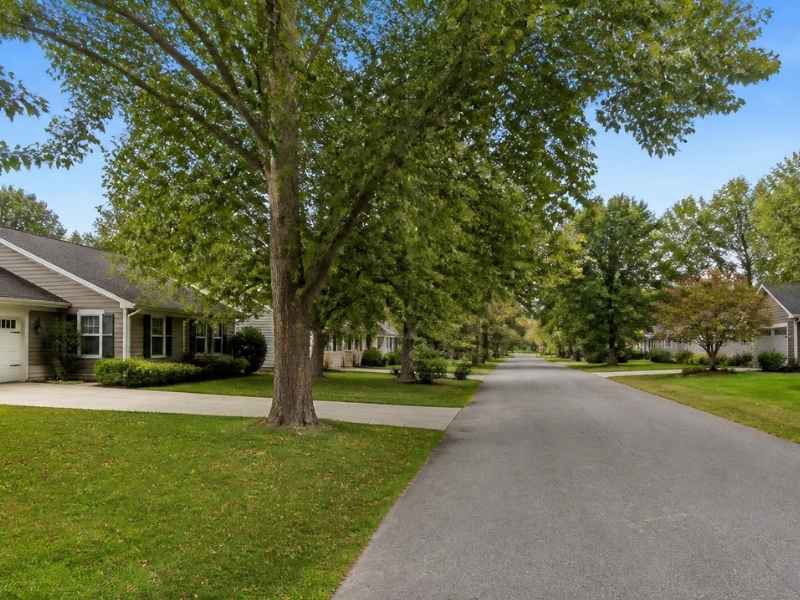
A quiet private street can be a big selling point. There’s less traffic, more privacy, and often a stronger sense of neighborhood. But that same street can raise hard questions when it’s time to close on a loan.
Lenders and title companies want to know that the home has legal access and that the road will be cared for over time. A public street usually answers those questions on its own. A private one often doesn’t, which is why a loan closing survey matters so much here. It shows how your lot, your driveway, and the road actually fit together before you sign.
Loan Closing Survey Findings on Private Road Boundaries
A loan closing survey shows where your property lines fall compared with the private road. On some streets, the road sits on its own parcel owned by a homeowners association or a group of owners. On others, each owner may own land out to the middle of the road, with others holding the right to drive across it.
The surveyor reviews the deed, the recorded plat, and the title report to see how the road was set up. Then the crew locates corners and features in the field. The finished drawing shows the road edges, your lot lines, and the space between them.
This matters for more than curiosity. If the road crosses part of your lot, you may own land others have the right to use. If the road sits on a separate parcel, you’ll need a recorded right to cross it. Each setup affects what your lender and title company will ask for.
Recorded Access Easements Versus Existing Driveway Locations
An access easement is a recorded right to cross land to reach your home. On private streets, these easements often cover the road itself and sometimes the driveway connection. They usually appear in the deed, plat, or a separate recorded document.
Driveways don’t always follow the recorded easement. Over the years, an owner may move a driveway, widen it, or add a second entrance. When the paved path sits outside the easement, it may not have the same legal protection.
A loan closing survey can show the easement area and the actual driveway on the same drawing. That makes it easy to see if they match. If they don’t, your title company and attorney can explain what that means for your loan and how it might be fixed.
Private Street Widths and Potential Property Encroachments
Private streets come in many widths. Some were built narrow on purpose. Others were laid out wider on paper than what was paved, leaving strips of unused land along the edges.
Those strips are where encroachments often show up. An encroachment is something that crosses a line where it doesn’t belong. Common examples near private streets include:
- Fences, walls, or landscaping built into the road parcel
- Mailboxes or signs placed inside the access easement
- Pavement that spills onto a private lot
- Parking pads or turnarounds built across a line
A loan closing survey can flag these items on the drawing. Some may be minor and easy to explain. Others may need a written agreement or a change before the lender is comfortable moving forward. Requirements can vary by lender and title company, so raise any issues early.
The Connection Between Road Frontage and Legal Access
Road frontage means your lot touches a road along one side. Legal access means you have a recorded right to use that road to get to and from your home. On a public street, frontage often gives you both. On a private street, frontage alone may not be enough.
If the private road sits on someone else’s land, you need a recorded easement or other right to use it. Without that right, the home could be treated as having no legal access, even if you can drive to it every day. That can create real problems with a lender or title insurer.
A loan closing survey helps connect the dots. It shows where your lot touches the road and where any recorded access easements run. Your title company then checks the records to confirm the legal right. Together, those steps help the lender see that the home can be reached by law, not just in practice.
Loan Closing Survey Considerations for Shared Road Maintenance
Someone has to fix potholes, clear snow, and repave a private road. On public streets, the town or state handles that. On private streets, the owners usually share the job.
Many neighborhoods have a recorded road maintenance agreement or HOA rules that spell out who pays and how. Some loan programs and lenders may ask to see that agreement before closing. Requirements can vary by loan type and lender, so ask your loan officer early what they need.
A survey doesn’t create or enforce a maintenance agreement. It does show the road’s location, condition notes, and which lots touch it. That helps everyone confirm that the agreement covers the right road and the right parcels. If no agreement exists, your attorney can explain options before closing.
Frequently Asked Questions
Do lenders treat homes on private streets differently?
Many lenders look more closely at homes on private streets. They often want proof of legal access and, in some cases, a recorded road maintenance agreement. The details vary by lender and loan program. Ask your loan officer early so there’s time to gather what they need.
What does a loan closing survey show on a private road property?
A loan closing survey shows your lot lines, the private road, and your driveway. It can also show recorded access easements and any encroachments near the road. The drawing helps your title company and lender confirm access and spot problems. It gives you a clear picture before you commit to the purchase.
What happens if my driveway sits outside the access easement?
Start by sharing the survey with your title company and attorney. They can explain whether the gap affects your title policy or loan. Options may include a new easement, a written agreement with the road owner, or a change to the driveway. Address it early so it doesn’t delay your closing.