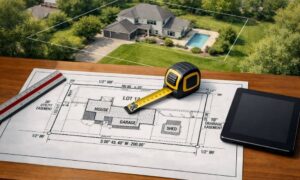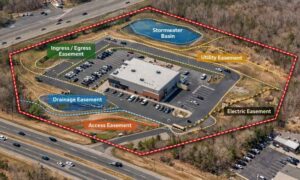
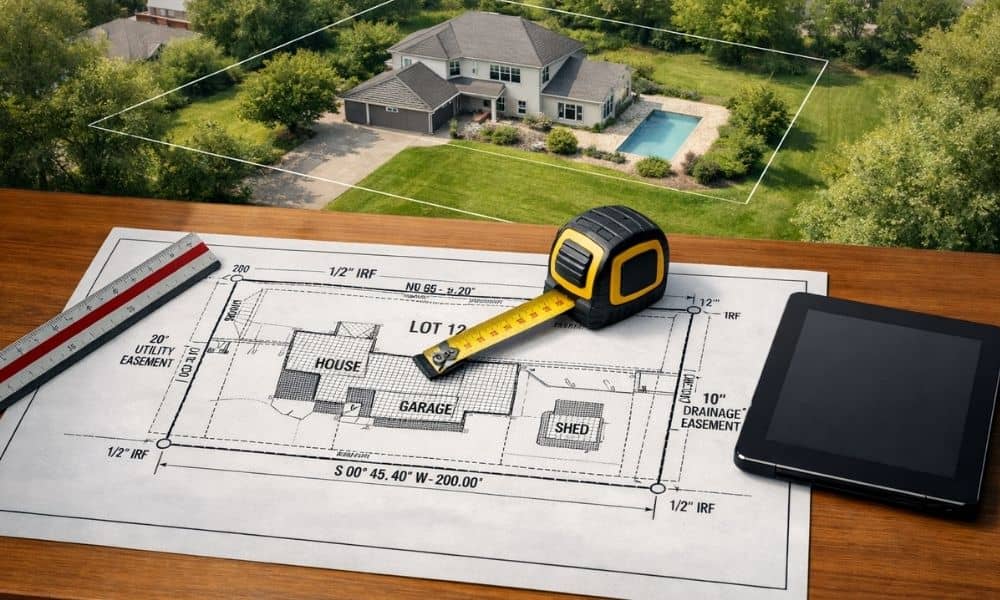
A plat of survey is your property’s detailed map. It shows boundary lines, dimensions, and improvements. If you’re developing land, you’ll encounter this document repeatedly. Understanding what it contains and how to read it saves time and money. This guide breaks down the essentials.
What Information Is Included on a Plat of Survey?
A plat of survey packs several critical pieces of information into one document. Here’s what you’ll find.
Property Address and Legal Description
The plat lists the property’s street address and legal description. This description identifies the property in official records. It’s not the same as a street address. Legal descriptions use lot numbers, subdivisions, or metes and bounds.
Lot and Parcel Identification
Every property has a lot number and parcel identification number. These numbers link your property to Virginia’s public records. They’re essential for title searches and permitting.
Survey Date and Surveyor Information
The date tells you how current the survey is. Surveyor credentials appear on the plat. Virginia requires licensed surveyors to certify plats. Check that the surveyor’s license is current.
Scale and Orientation
Plats show scale (like 1 inch equals 100 feet) and a north arrow. Scale helps you measure distances on the document. Orientation tells you which direction is north. These details matter when planning development.
References to Recorded Documents
Plats reference deeds, prior surveys, and easements. These references connect your property to its recorded history. They show where boundary information comes from.
Understanding Property Boundaries and Dimensions
Your property’s boundaries define what you own. Knowing how to read them is non-negotiable for developers.
Boundary Lines
Solid lines show property boundaries. They’re drawn to scale. Dashed lines may indicate easements or encroachments. Understanding which is which prevents costly mistakes.
Boundary Measurements
Every boundary side has a measurement. Measurements appear in feet and decimal feet. For example, 156.42 feet. Add them up to verify the perimeter. Mismatches signal problems worth investigating.
Corner Monuments and Markers
Property corners are marked with monuments or pins. The plat shows where these are located. Monuments might be metal stakes, concrete markers, or iron pipes. Their location determines your actual boundary.
Bearings and Distances
Bearings describe direction (like N 45 degrees 30 minutes E). Distances follow in feet. Together, bearings and distances define each boundary side. This information matters for construction staking.
How Dimensions Define Property Shape
Irregular properties have multiple sides and angles. Each side has a bearing and distance. Follow them in order to trace your property’s exact outline. This is how surveys prevent disputes.
Identifying Existing Improvements on the Property
Improvements are structures already on the land. They appear on plats as symbols or outlines.
Homes and Buildings
Existing buildings show as rectangles or detailed outlines. The plat indicates whether they’re inside or outside your property lines. Distance from buildings to boundaries matters for new construction.
Driveways and Parking Areas
Driveways appear as lines or shaded areas. Parking areas show their size and location. This information matters when planning site access or additional parking.
Fences and Retaining Walls
Fences are drawn as lines with the appropriate symbol. Retaining walls appear as thicker lines or shaded features. They show which features are on the property and which might belong to neighbors.
Utility-Related Structures
Utility boxes, poles, and lines appear on plats. They show easement locations. Knowing utility locations prevents damage during construction.
Why Improvements Are Shown on the Plat
Improvements provide context. They show what’s already in place. This prevents conflicts with development plans. It clarifies what you own versus what’s someone else’s responsibility.
How to Interpret Symbols, Notes, and Survey References
Plats use symbols, abbreviations, and notations. Learning them speeds up interpretation.
Common Symbols Used on Plats
Symbols represent different features. A small circle with a dot marks property corners. Lines with perpendicular marks show fences. Various symbols indicate utilities, structures, or easements. Most plats include a legend showing symbol meanings.
Abbreviations and Survey Terminology
Common abbreviations include “ROW” (right of way), “SBL” (setback line), and “BM” (benchmark). “Easement” appears as “EASE.” “Monument” becomes “MON.” Learning these shortcuts helps you scan plats quickly.
Surveyor Notes and Certifications
The surveyor adds notes explaining unusual findings. Notes might describe disturbed corners or disagreements with previous surveys. The surveyor’s certification states the survey is accurate. This certification is legally important.
References to Plats, Deeds, and Public Records
Plats cite other documents by book and page numbers. These references help you find related information. Following references provides context for boundary history.
Understanding the Legend
Every plat includes a legend or key. It defines all symbols and abbreviations. Check the legend first when reading an unfamiliar plat. Legend conventions vary between surveyors.
When a Plat of Survey Becomes Important
Several situations require understanding your plat.
Property Purchases and Sales
Buyers need plats to verify boundary lines and acreage. Title companies require recent surveys. Lenders often demand plats before approving mortgages. A current plat prevents post-purchase surprises.
Refinancing Transactions
Refinancing lenders order new surveys. The new survey confirms boundaries haven’t changed. It ensures no encroachments occurred since the last survey.
Planning Property Improvements
Building additions require setback verification. Plats show how close you can build to boundaries. Utility location knowledge prevents costly excavation mistakes. Fence lines must respect boundary lines.
Resolving Questions About Property Features
Disagreements with neighbors start with plat review. A current plat settles boundary questions. It shows who owns easements and rights of way. Documentation prevents disputes from escalating.
Maintaining Property Records
Updated plats document property changes over time. They show when new improvements were added. They’re valuable records for insurance and tax purposes. Keep copies on file.
Frequently Asked Questions
How often should I update my plat of survey?
Update your plat when boundaries change, easements are added, or significant improvements occur. Lenders require updated surveys for refinancing. Developers should order new surveys for any project.
Can I use an old plat of survey for my development project?
Not without caution. Encroachments may have occurred since the survey date. Utility locations change. Building codes evolve. Order a new survey for accurate current information.
Who should perform my survey?
Hire a Virginia-licensed professional surveyor. Verify their license status through the Virginia Board for Architects, Professional Engineers, Land Surveyors, Certified Interior Designers and Landscape Architects. Licensed surveyors provide legal protection and accurate documentation.
What’s the difference between a plat of survey and a site plan?
A plat of survey shows boundary lines and existing conditions. A site plan shows proposed improvements and changes. Both documents serve different purposes. You’ll need both for development projects.
How much does a plat of survey cost?
Costs vary by property size and complexity. Urban residential properties range from 400 to 800 dollars. Rural or complex properties cost more. Get quotes from multiple surveyors.