If you are a developer working on a commercial dea, you have probably heard the term ALTA survey. Before you close, before you break ground, and before your lender signs off, you need to understand what an ALTA survey is, what it covers, and why it matters to every party at the table.
What an ALTA Survey Actually Is
An ALTA survey is a detailed land survey used in commercial real estate. It is more thorough than a standard boundary survey.
ALTA stands for American Land Title Association. The survey follows national standards set jointly by ALTA and the National Society of Professional Surveyors (NSPS).
It shows you:
- Exact property boundaries
- Buildings and structures on the land
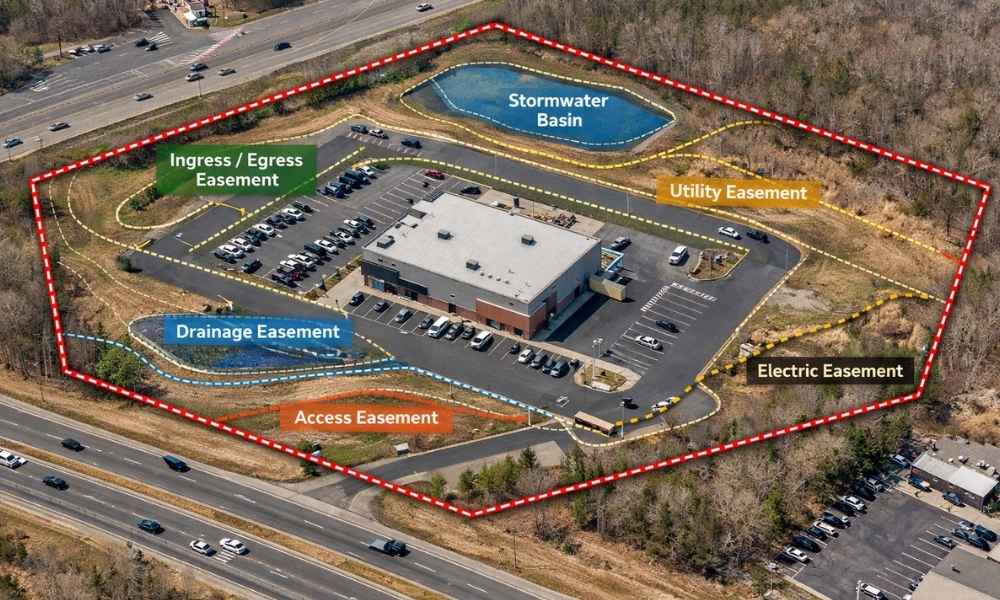
- Easements that affect the property
- Legal information tied to ownership
Think of it as a full picture of what a property actually is, not just what the deed says it is.
In Virginia, licensed land surveyors must complete ALTA surveys. The state follows the 2021 ALTA/NSPS Minimum Standard Detail Requirements, which is the current national benchmark.
Why ALTA Surveys Exist in Commercial Real Estate
The core reason is simple: reduce risk.
Commercial real estate deals involve large sums of money. A single undisclosed easement or encroachment can kill a deal or trigger a lawsuit after closing.
An ALTA survey gives every party the same verified facts. It helps buyers confirm what they are purchasing. It helps lenders protect their investment. It helps title companies write insurance without guessing.
In Virginia, commercial title insurance almost always requires an ALTA survey before issuance. Without it, the title company does not have enough information to underwrite the policy with confidence.
This is not a formality. It is a risk management tool.
What Information You Will See in an ALTA Survey
When you receive an ALTA survey, here is what you are looking at:
Property Lines. The survey shows the exact legal boundaries of the parcel. You see where your land starts and stops.
Buildings and Improvements. All structures on the property are mapped. This includes main buildings, parking lots, fences, retaining walls, and other improvements.
Easements. Easements are legal rights that allow someone else to use part of your property. Common examples include utility easements and access easements. The survey shows where they are located and how they affect usable land.
Access Points. The survey identifies how the property connects to public roads. This matters for zoning, construction planning, and day-to-day operations.
Visible Encroachments. An encroachment is when a structure or improvement crosses a property line. It might be a neighbor’s fence, a building overhang, or a utility box. The survey flags these so they can be resolved before closing.
You are not reading technical surveying methods. You are reading a map of facts about a specific piece of land.
Who Uses an ALTA Survey and Why It Matters in Real Deals
Multiple parties rely on an ALTA survey in every commercial transaction.
Buyers. You need to know exactly what you are buying. The survey confirms the property matches the listing. It reveals issues the seller may not have disclosed.
Lenders. Banks and commercial lenders will not fund a deal blind. They use the ALTA survey to confirm the collateral they are lending against is what it appears to be on paper. Most commercial lenders equire it as part of the loan package.
Title Companies. Title companies use the survey to issue title insurance. Without an ALTA survey, they cannot verify boundaries, easements, or encroachments. No survey often means no title policy.
Developers. This is where it gets critical for your role. Before you plan construction, you need to know where the boundaries are, what easements restrict your buildable area, and where utilities are located. An ALTA survey answers all of that before you spend a dollar on design or permitting.
Skipping this step early often means expensive redesigns or legal problems later.
When You Typically Need an ALTA Survey
The timing of an ALTA survey matters as much as the survey itself.
Before Closing a Commercial Purchase. Order the survey during your due diligence period. This gives you time to review findings and negotiate if problems surface.
During Loan Approval. Lenders typically require an ALTA survey as part of their approval checklist. Have it ready before submitting your full loan package.
Before Development or Construction. If you are building on the property, the survey becomes a foundational document for your site plan. Your architect and civil engineer will reference it throughout the design process.
When the Title Company Requires It. Many title companies will not issue a commercial title policy without an ALTA survey on file. If you are seeing this requirement, it is not optional.
A standard ALTA survey for a commercial property typically takes two to four weeks to complete. Ordering early protects your timeline.